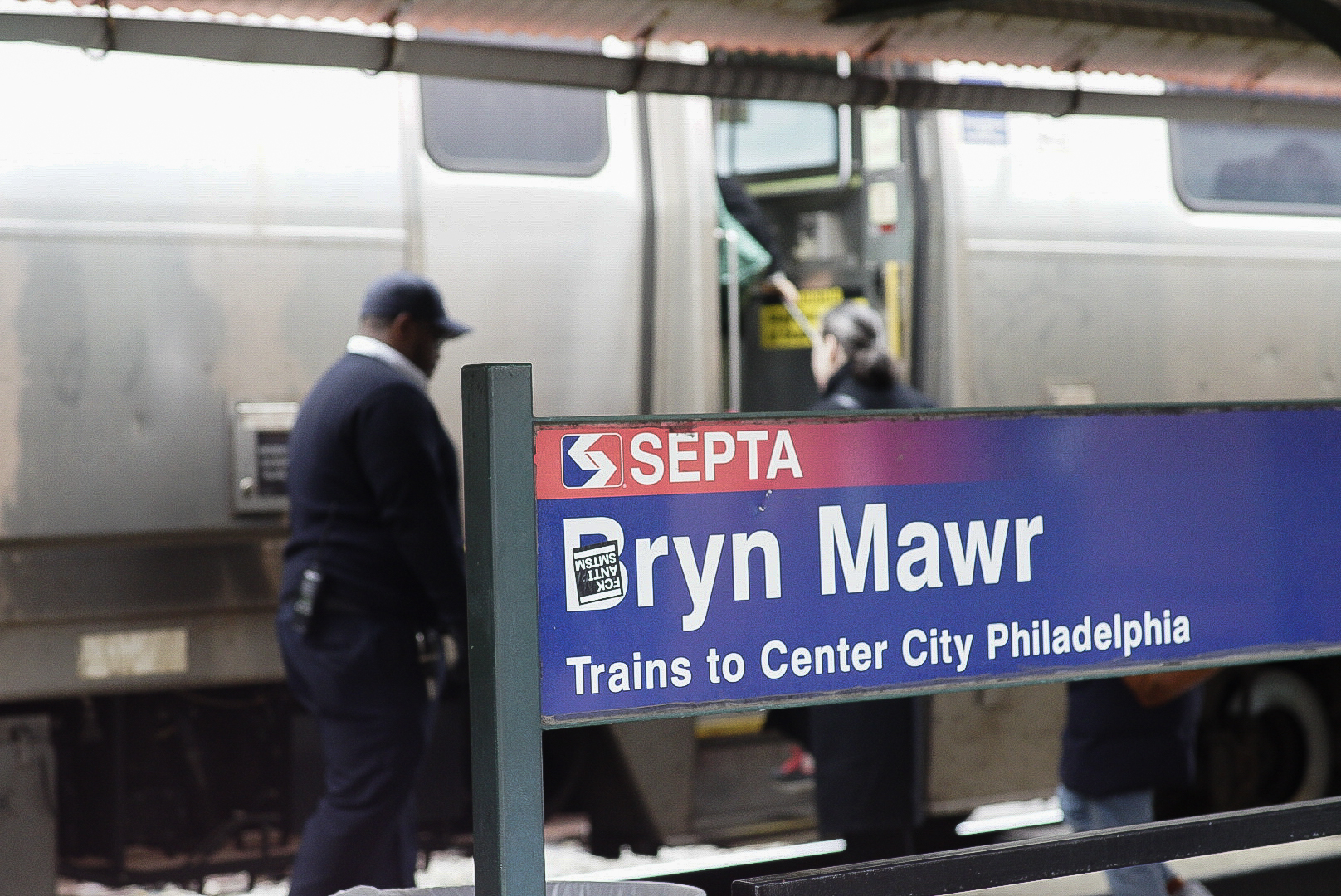
Temporary funding has been secured for the Southeastern Pennsylvania Transportation Authority (SEPTA) after a tumultuous summer. Funding for the major transportation service was in limbo when state lawmakers failed to reach a deal to cover SEPTA’s $213 million budget deficit by the Aug. 14 deadline. On Monday, Governor Josh Shapiro gave permission for SEPTA to use PennDOT’s $394 million in capital assistance to avoid cuts to service for the next two years. State senators in Harrisburg remain in a stalemate over the state budget,which allocates funding for SEPTA, which is nearly 70 days overdue. Shapiro’s plan to use capital assistance does not require the approval of state lawmakers.
This news is a respite for many Bi-Co students, staff, and faculty who regularly use SEPTA for work, academics, and leisure. In May, many members of the Bi-Co community, including Bryn Mawr College President Wendy Cadge spoke out against SEPTA cuts at a rally. Callista Cleary, the director of the Tri-College Philly Program, which allows students to take classes centered on Philadelphia in the city and regularly uses SEPTA for classes and field trips, told the Bi-College News that the temporary funding is “a huge relief for the Tri-Co Philly Program and the Colleges.” Cleary has been advocating for the importance of SEPTA for months and says that the insecure state of SEPTA funding remains a concern for the Tri-Co Philly Program. The Program has explored alternative modes of transportation in the event of cuts, including vans, rideshares, the Norristown High Speed Line.

Shapiro’s approval of SEPTA utilizing capital assistance funds, traditionally used for repairs and replacement of equipment and not day-to-day funding, will prevent extreme cuts that had already begun to take effect. On Aug. 24, SEPTA eliminated 32 bus routes, shortened 16, and reduced 88. The overall plan would have had SEPTA, which has nearly 800,000 daily riders, cut service by 45% and raise fares by 21.5%. These cuts would include removal of the Paoli-Thorndale Regional Rail line, which has stops near both Bryn Mawr and Haverford’s campuses as well as four other Regional Rail lines.
On Aug. 29, a Philadelphia judge issued a temporary injunction to stop fare increases and Regional Rail service cuts. SEPTA said that they would do their best to comply. After the injunction, both fare increases and cuts to service, including the Paoli-Thorndale line, were halted. The temporary funding will prevent all cuts for at least two years, but fare increases will be reinstated on Sept. 14. SEPTA funding outside of the temporary capital assistance fund remains in the hands of state lawmakers, especially the Republican senators who hold the majority of seats and have generally been resistant to providing significant funds to SEPTA.
According to the SEPTA website, all services that had been cut will be reinstated by Sept. 15. Additionally, the planned 21.5% fare increase will still go into effect on Sept. 14. Bryn Mawr students have been reenrolled in the SEPTA Key Advantage UPass program, which allows students to use SEPTA’s Regional Rail, subways, buses, and trolleys for free during the academic year. Haverford students can request single-use passes for civic and cultural engagement. For the time being, members of the Bi-Co community retain their access to SEPTA, and by extension, the greater Philadelphia area.
